Media Ingestion API
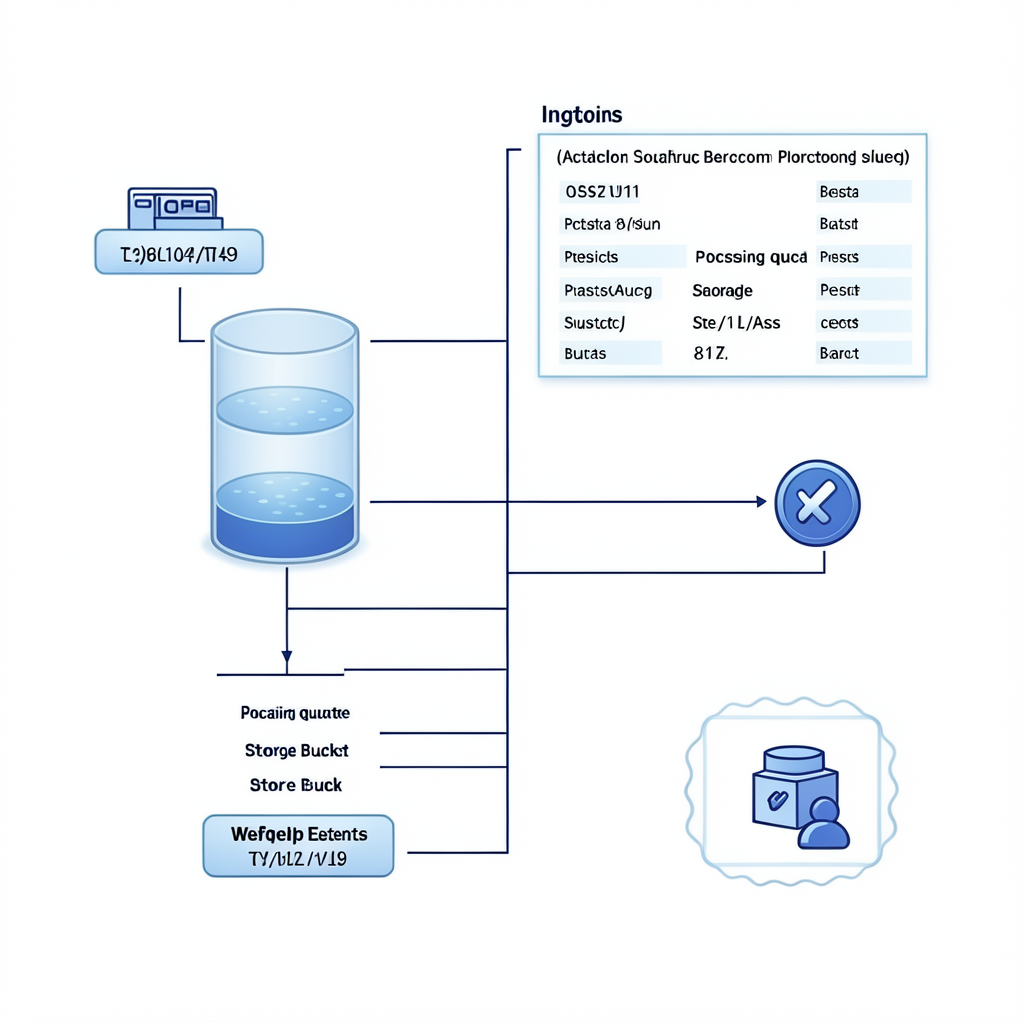
A media ingestion API is the backbone of any product that accepts external media URLs and turns them into usable assets inside your own system. If your users import videos, audio, or mixed media from outside sources, reliability and state management matter more than raw download speed.
Importly provides an ingestion-first API model built for asynchronous processing, webhook-driven completion, and downstream automation. This lets your team ship product features while maintaining production-level reliability under real-world source variability.
What a media ingestion API should solve
A proper ingestion layer should do more than “download a file.” It should help your team handle:
- inconsistent source URLs and redirects
- retries and transient network failures
- asynchronous processing with clear job states
- webhook-based completion signaling
- storage handoff to your destination bucket
Without these, teams quickly accumulate fragile glue code and support burden.
Example request
bash
Practical ingestion architecture
For most teams, this flow works best:
- Client or automation sends media URL to your backend
- Backend validates payload and creates a job record
- Backend submits job to ingestion API and stores external job ID
- UI shows
queuedorprocessing - Webhook updates job to
completedorfailed - Downstream tasks run (transcription, moderation, publishing)
This architecture keeps your app deterministic. Every import has a clear lifecycle and audit trail.
Why generic scripts break at scale
One-off ingestion scripts can appear fine in early testing, then break under real usage because:
- source hosts change URL behavior unexpectedly
- large media triggers timeout edge cases
- retry logic duplicates jobs without idempotency
- completion detection is bolted on with weak polling
- logs lack correlation IDs for quick support debugging
A dedicated media ingestion API reduces those operational risks by design.
Production readiness checklist
Before scaling usage, implement these controls:
- Idempotent submit endpoint in your backend
- Webhook signature verification for trust
- Retry policy + dead-letter queue for failed callbacks
- Structured logs tied to ingestion job IDs
- Alerting for failure spikes and stale jobs
Teams that ship these guardrails early avoid expensive firefighting later.
Using ingestion API in no-code workflows
If your motion includes Zapier/Make/n8n, treat ingestion jobs as event-driven steps:
- trigger import job from no-code workflow
- wait for webhook callback instead of fixed delays
- branch workflow by status (
completedvsfailed) - continue with asset enrichment, storage, or publishing actions
This improves reliability and keeps automations maintainable.
SEO + activation angle
Searchers for “media ingestion API” usually have high implementation intent. To convert that traffic:
- show concrete payloads immediately
- explain async lifecycle and webhook handling
- link to import endpoint and webhook docs
- provide a low-friction CTA to test with an API key
This moves readers from research into real product usage.
FAQ
What is a media ingestion API?
A service that accepts media sources (often URLs), processes them asynchronously, and returns outputs and status through a structured job workflow.
Is polling required?
Not as primary strategy. Webhooks should be your main completion signal; polling is a fallback.
Can this support no-code automations?
Yes. You can submit jobs via API modules in Zapier/Make/n8n and continue once webhook events arrive.