Video Downloader API
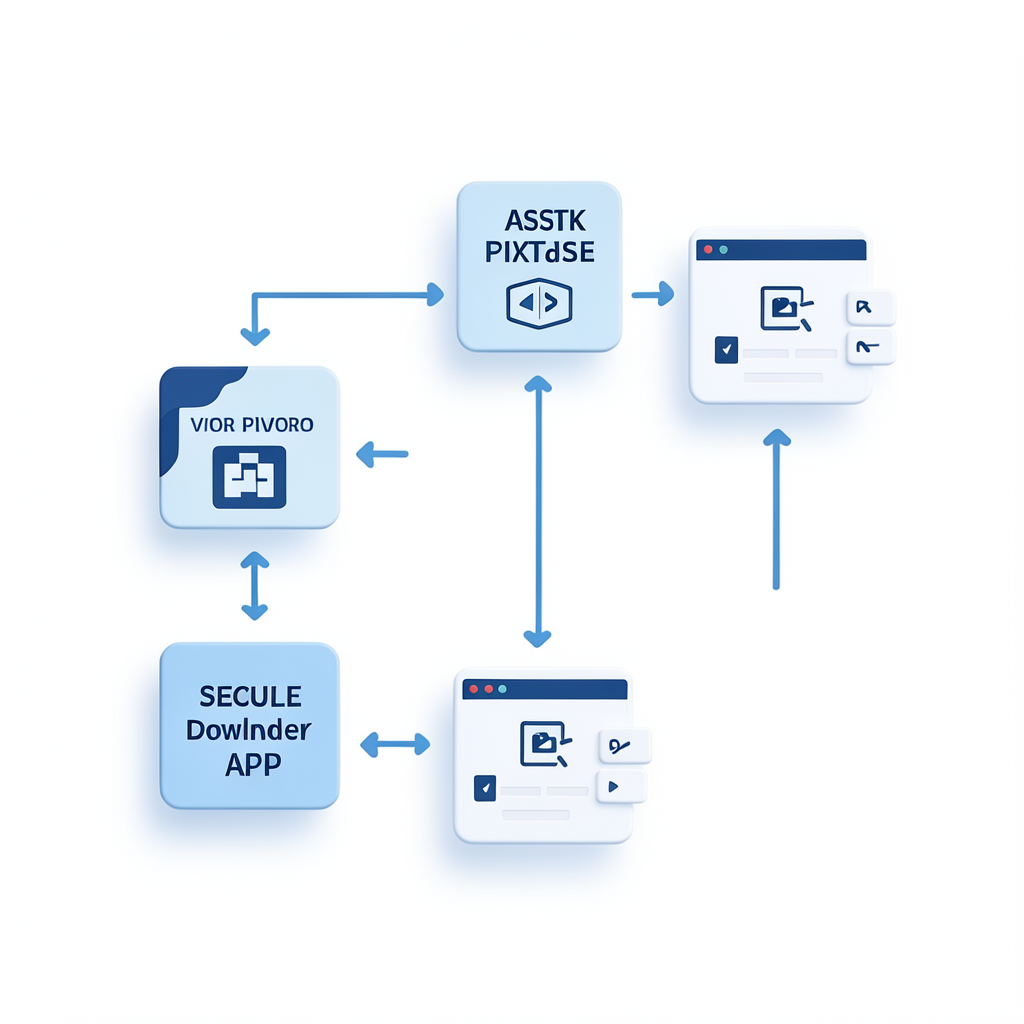
A video downloader API helps your product fetch and normalize video from a source URL without forcing your team to build and maintain a fragile ingestion stack. If your users paste links from partner tools, CMS systems, user submissions, or automation flows, you need reliability—not best-effort scripts.
Importly gives you an API-first path to ingest video URLs, process them asynchronously, and route outputs into your app workflows. Instead of debugging source-specific failures every week, you get a stable contract your product can build on.
When you actually need a video downloader API
You likely need this when one or more of these are true:
- Users regularly submit external video links
- Your team needs predictable completion and webhook events
- You store media in S3-compatible buckets after import
- You trigger downstream steps (transcription, moderation, publishing)
- You need ingestion to work in both code and no-code automations
In short: if importing video is part of core user value, this should be treated as infrastructure, not a side script.
Example request
bash
Recommended implementation pattern
- Validate incoming URL and create an import job in your app
- Submit the URL to Importly and save the returned job ID
- Mark job state as
processing - Receive webhook callback on completion or failure
- Persist output URL + metadata and trigger your next workflow
This architecture keeps your product deterministic. Your UI can show clear status transitions, and your backend can recover safely from retries or partial failures.
Why teams move away from one-off downloader scripts
Ad-hoc scripts usually break for operational reasons, not syntax reasons:
- Source hosts rate-limit aggressively
- Redirect chains change unexpectedly
- Temporary network failures create flaky behavior
- Async completion logic is bolted on later and gets messy
- Logging is too shallow to debug user-reported failures quickly
A dedicated video downloader API solves this by turning ingestion into an observable, asynchronous service with structured state.
Production checklist (high-impact)
Before going live, lock these in:
- Idempotency in your import submit endpoint
- Webhook signature verification for security
- Retry + dead-letter strategy for callback processing
- Centralized logging tied to import job IDs
- SLO alerts on processing latency and failure-rate spikes
Teams that implement these five guardrails early avoid painful reliability debt later.
SEO intent + conversion flow
If someone searches “video downloader API,” they usually have urgent implementation intent. To convert that traffic:
- Show a working request example quickly
- Explain async behavior and reliability expectations
- Link directly to endpoint docs + webhook docs
- Offer a clear next step (get API key, run first import)
That combination turns organic traffic into active trial behavior much better than generic “what is API” content.
FAQ
What is a video downloader API?
A service endpoint that accepts a video source URL and returns processed output through an asynchronous job workflow.
Can I use this with no-code tools?
Yes. You can trigger import jobs from Zapier/Make/n8n and continue flows using webhook completion events.
Should I poll or use webhooks?
Use webhooks as your primary completion signal; keep polling as a fallback for operational resilience.